Tag: investment

  • How to avoid eating ramen noodles at age 65

    How to avoid eating ramen noodles at age 65

    Retirement.  If you are like me, this is decades away, and doesn’t really enter your day-to-day thinking.  You are probably putting something away for the future, but don’t really have any idea how much you really need to save to make the transition to retirement at the lifestyle you will be living at that time.

    Money in glass jar on wooden tableThe first time I calculated how much I needed to have saved at retirement, my jaw about hit the floor!  To maintain my current lifestyle I will need to be rich!

    Most people spend more time planning a vacation or kid’s birthday party than they do planning for retirement.  They have no idea what they will need to have saved to live at the level they want, nor any idea how much they will need to save each month to get there!

    I don’t know about you, but I don’t want to get to age 65 and realize I have to work to survive, not just work because I want to.  How about you?  Do you know?

    I challenge you to run the numbers in a financial calculator, such as this one to see what you realistically need to save to meet your long term goals.

    What did you learn?  What will you do now?


  • Mutual funds; the good, the bad, and the ugly

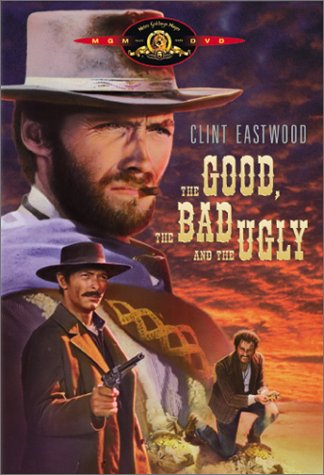
    Mutual funds; the good, the bad, and the ugly

    First things first, what on earth is a mutual fund?  If you remember, I said that I recommend investing in them as part of your investment portfolio.

    According to Investopedia.com, a mutual fund is:

    An investment vehicle that is made up of a pool of funds collected from many investors for the purpose of investing in securities such as stocks, bonds, money market instruments and similar assets.

    In simple-speak, a bunch of people pool their money with a professional fund manager to take advantage of opportunities not normally available to small investors.

    Like all things in life, there are pros & cons to investing in mutual funds.

    The Good

    • Diversification – your invested money is spread among several stocks.  This is the opposite of “keeping all your eggs in one basket.”  If one company does poorly, the effect on you is limited.
    • Professional management – most people (myself included) don’t have the time to evaluate, in depth, all that should be evaluated in a stock before buying it.  The fund manager’s only job is to maximize performance of the fund, by picking good stocks.
    • Economies of scale – since the fund manager is buying huge amounts of stocks at a time, the transaction fees are much lower than for you or me.
    • Mutual funds are liquid assets – they are easy to convert to cash, unlike real estate or bonds.
    • Simplicity – investing in mutual funds can be as simple as an automatic bank draft, payroll deduction, or buying from the fund’s website.
    • Variety – If there is a sector, stock style, social impact, or any other area you want to invest in, there is a mutual fund for you.  In fact, there are more mutual funds than stocks!

    The Bad

    • Professional management – Not all managers do as well as they should.  Just because the fund is professionally managed, doesn’t mean it performs well.  Look at the manager’s track record, along with the funds track record before investing in it.
    • Over diversification – if the fund has too many stocks, a great performance by one or a few might have minimal effect on the overall fund value.
    • Taxes – all capital gains taxes are passed on to the investors.  If the fund is churned a lot (the manager buys and sells the fund assets a lot), investors could be liable for more capital gains taxes.  You can look at the fund’s turnover rate, or having the funds as part of a tax-preferred account such as an IRA or 401(k).

    The Ugly

    • Fees – Fund managers have to be paid.  There are costs associated with the administration of the funds.  There is no such thing as a free lunch!  Fees, referred to as expense ratios, can range from as low as 0.2% for some index funds, to over 2%!  The fees will be listed in the fund’s prospectus.  These take away from the fund’s overall performance, so look carefully at them.  Another fee to be aware of is a sales charge (load).  This is how some advisers get paid (think commission on sales); there are many different ideas on the value of advisers and what the best fee structure is (I won’t go into it here), but I will say is that a good adviser is worth his/her compensation.  With loads, the more you invest in one fund company, the lower they are, and at some point they usually go away.  If you pick a low fee fund and invest regulatory, you may end up paying less in fees than you would buying several different stocks each month on a self service site (up to $9/trade).

    Final Thoughts

    It’s important to know the details of a fund before deciding to invest in it.  A quality adviser will teach you why he/she recommends a particular fund or group of funds.  They will help you pick funds that have a low expense ratio, a good track record of performance over the long term, and are appropriate for your needs.  Mutual funds are a great investment tool for average Joes like us!

    If you are ready to start investing, I can put you in touch with a qualified investment adviser who has the heart of a teacher!  If not, I can get you ready.  Contact me today:

    jeremy.fulton@me.com
    860-469-2278

  • Should you should KISS your investment strategy?

    Should you should KISS your investment strategy?

    You know what K.I.S.S. stands for

    Keep It Simple Silly

    And you thought I was going to insult you!

    We’ve both heard that “serious investors” have complicated and advanced investing products and strategies which enable them to make more than us mere mortal investors.

    • Hedge Funds
    • REITs
    • High Yield Bonds
    • FOREX trading
    • Commodities
    • Penny Stocks
    • Etc, etc, etc

    I will admit that there is potential that someone could make a lot more with these. There is also the potential that you could loose it all!

    I have one overriding investment philosophy that I teach my clients:

    Never invest in anything you don’t understand well enough to teach it to someone else.

    Think about it; if you have a thorough understanding of your investments, how they work in the market, and what makes them ‘go up’ or ‘go down’ then you are a lot less likely to panic and worry when the Dow Jones dips. In fact, you might even see a silver lining in market drops!

    It is possible to learn all the ins-and-outs of the more complex investments, but what will it gain you? Do you have the time and desire to become an expert? Or the time and desire to manage those investments?

    I’ve been trained in all that stuff (through the Certified Financial Adviser program) and I could teach you a lot of it, but I still don’t have a “sophisticated” investment strategy.

    Because I don’t have the time to manage my portfolio every day and want to keep my risk to a manageable level, while taking advantage of the long term growth of the market, I stick with mutual funds.

    Mutual funds are easy to understand, have high diversification (my eggs are in lots of different baskets), and are easy to invest with. I even invest in mutual funds that cover different market sectors to increase my diversification even more! (If you are not sure what a mutual fund is, please ask!)

    Boring? Yes. Simple? You bet! Do I know enough to teach you how they work? Of course! Give me a call and I’ll teach you today! Then you, too, can have confidence in your investments!

    What are your thoughts?

  • My Confession To You

    My Confession To You

    I am not perfect

    No surprise, right?

    I am not perfect with money

    There, I said it. It’s true. Even though I’m a Financial Wellness Coach I am prone to making mistakes and not enjoying everything I have to do to succeed with money.

    Sometimes the only thing keeping me from raiding my emergency fund for new camera gear is my wife.

    Sometimes I don’t want to spend the time saving for something and get a credit card to get it now.

    Sometimes I forget to write my budget before the first of the month.

    Sometimes I get a credit card offer in the mail with a “great” points system and think that I could get free stuff and not develop bad spending habits.

    Sometimes I see Amazon.com’s offer of free money to sign up for their card and want to “take advantage” of the offer.

    Sometimes I overspend a budget category.

    Sometimes I forget to pull out cash to use for our grocery budget and use the debit card, hoping I don’t overspend the budget.

    Sometimes I want to not invest 15% of my income for the future and enjoy my hard work today.

    Sometimes I don’t want to act like an adult.

    But I am an adult

    And my wife & future child depend on me being responsible. Sometimes when I do what is right, its not because it’s fun, easy, or makes me feel good. It’s because as an adult I force myself to see beyond myself, beyond now, beyond how I feel.

    When I make a mistake, I look at the WHY. I try to learn the cause of it and change my behavior/habits to not make the same mistake twice.

    What keeps me on the straight and narrow, financially?

    My wife, first of all. She is my accountability partner and any mistakes I make will be known and addressed (with love and forgiveness).

    You all; Writing, teaching, and coaching about responsible personal financial actions & habits forces me to do the right thing. I know that the moment I sign up for a credit card or car loan, my credibility with you is lost, maybe forever! I would not trust a coach who acted opposite of the way he/she coached.

    What do you struggle with? How do you overcome those struggles?

  • 5 Ways to make your future self happy

    5 Ways to make your future self happy

    Have you ever wished you could write a letter to your younger self?  I know I have!

    What would you tell yourself?

    • Don’t date that girl
    • Jump on that opportunity
    • Eat more veggies and exercise more
    • Call your mom more often

    Turns out I’ve been talking to your future self and have been sent with some things that you should know now!

    5. Forget about the Joneses.  By trying to keep up with them, you will waste so much time and money; learn to be content with what you already have.

    4. Don’t take investment, tax, spending, or other advice from your friends (or strangers on the internet).  Invest in working with a professional with the heart of a teacher.  Professionals have spent years becoming an expert in their area; what makes you think your broke friends know as good or better?  Money spent in this category will pay dividends in increased wealth, avoided tax penalties, and better money control.

    3. Stay away from debt.  Sure its nice to get things now instead of waiting, but if you play with snakes, you will get bit!  Debt is the enemy of wealth; do you want to have some money at retirement or lots of nice stuff with payments?  Get out of debt now so you can build your retirement and enjoy the income you have!

    2. Grandma was right; it will rain!  Build up an emergency fund as soon as possible.  A rainy day fund will take the stress and crisis out of anything that comes up: car broke down? Fix it without worrying how you will pay for it.  Sick relative you need to visit?  Buy the plane ticket without worrying how you will pay for it.  Broken furnace in February?  Call the repair tech and not worry about how to pay him.  Get the point?  Bonus: when you have a 6-month emergency fund, you tend to make different decisions when an ’emergency’ happens, which can save you money.

    1. Start saving NOW!  The longer you wait to start saving for retirement, the less you will have.  Money invested now is much more valuable than money invested in 5 years.  Once you are debt free and the emergency fund is built, start taking advantage of employer matched 401k’s and ROTH IRAs.  You won’t regret saving that money instead of buying that new car in 20 years, but you just might regret buying that car!

    Now, will you listen to your future self?  Or if you are the “future self”, what do you think?  Anything different you would tell the younger generation? Post below:

  • The 5 ‘best’ reasons to buy a new car

    The 5 ‘best’ reasons to buy a new car

    Let’s face it; there’s nothing like driving off the lot in a brand new car!  The new-car smell, the fit & finish inside feel luxurious, no strange noises, and everyone is noticing you and your new ride!

    So, what are the 5 ‘best’ reasons to buy a new car?

    5. I’ll impress my friends and strangers with a new car.
    Have you ever seen a brand new Kia or Honda on the road and said to yourself, “Wow!  Someday I hope to be as successful as that person!”  Me either.  So, unless  you are buying a Ferrari, I probably won’t give your shiny new car a second look.  And do you really care what some stranger you’ll never see again thinks?  And if you want to impress your friend, buying them dinner or clearing the snow from their driveway will do a much better job!

    4. I’m always going to have a car payment, so why not get a nice, new car?I haven’t had a car payment since 2008; and the last two cars I bought were fully loaded cars in good shape and still very nice inside.  I’m not rich, nor did I have tens of thousands of dollars saved up; I paid under $4000 each; that’s only 8.5 car payments!  There are lots of reliable, nice cars out there that you can save up for in a reasonable time frame.

    3. I want to save money on gas, so I need a more fuel efficient car.
    Yes, new cars tend to be more fuel efficient than a comparable old one.  So, you could end up saving at the pump.  But that is where the savings end.  The average car payment in America is $471; will you be saving that much every month in fuel?  Unless you trade in your Mac truck for a Honda Civic, I doubt it.

    Maybe it’s not your savings, but you are trying to be more environmentally conscious  with your MPG boost.  Will you reduce greenhouse gasses enough to offset those created by manufacturing your new car (mining the metals, pumping the oil for the plastics, the heavy metals & toxic waste created because of the electronics)?

    2. We are having a baby, so we need a safe car.
    Really?  When your 10 year old car rolled off the assembly line it surpassed all the safety requirements and whoever bought it then didn’t think it was unsafe.  Has your car become un-safe over time?  If you think so, have a qualified mechanic inspect it and replace aging components.  It will be much less expensive than even 2 car payments!

    1. I need a reliable car; old cars break down all the time.
    Yes, old cars tend to have failures more often than new cars.  Parts wear out and fail over time.  But is it really that bad?  Suppose you just had to replace the transmission at $2000.  That is a LOT of money, I agree.  But how often have you actually had your car break down and leave you stranded?  And $2000 is only about 5 car payments, and is easily covered by your emergency fund.  And a rental car is only about $20-30 a day while your car is in the shop.  The key to a reliable car is not age, but keeping up with maintenance.  Replacing parts before they fail and performing routine maintenance will keep your car running for many more years.

    Now, it is possible that your car will need a very expensive repair (such as a transmission) and you are wondering if it is worth putting that much money back into your car.  Here is a simple way to determine if it’s time to upgrade: If the value of the car as-is (in it’s broken state) plus the cost of repairs is more than the value of the car repaired, it’s time to replace it.  Sell it for what you can get for it and buy a newer, used car, for cash.

    So, why am I so against new cars and car payments?

    • Cars are depreciable assets.  They lose 10% the moment you pull out of the lot, and over 60% in 5 years.  Let someone else take the big hit and buy a 2-5 year old car.
    • $471/month.  That equals almost $40,000 in 5 years if invested instead; Invest that for 5 years starting at age 20, and that’s $2.6 million at retirement!!!  Investing it monthly for your entire working career results in $7.2 million!  Is that new car smell really worth that much?
    • Contentment.  Yes, I like new stuff, new gadgets, cars, etc.  But driving an older car can help teach you to be content with what you have and not worry about what the Jones’s think.

    What reasons do you have to buy a new car?  Or not buy one?

  • What is a Bond?

    Last week we answered the question, “What is a Stock”.  This week lets look at Bonds.  You’ve heard of them, I’m sure as an investment, “stocks and bonds.”  But what is it?

    A bond is considered a “debt investment.”  When you purchase a bond, you are loaning a company (issuer) your money.  It’s the opposite of your mortgage or auto loan; you make money off of them.  Though bonds rarely pay the same interest rate that you pay on your debt.

    Because a bond is a loan, it pays a fixed interest rate (coupon), usually every 6 months, and after the loaned money is paid back (on the maturity date).  Because they pay a fixed rate, they are also referred to as a type of fixed income security.

    Also because the payment is fixed/predicable, they are considered a lower risk investment than stocks (we’ve all heard stories of people loosing money in stocks).

    This lower risk comes at a price, though.  Bonds rarely have the earning potential of stocks or mutual funds (we’ll learn about mutual funds in a future post), and as such, having any significant amount of them in a portfolio can limit your ability to grow it for retirement (this is contrary to most financial advisors’ recommendations).

    The bond’s coupon is a function of credit quality of the company and the duration of the maturity.  You’ve probably heard of “junk” or high-yield bonds; when you invest in those, you are loaning a company money that may not be around long enough to pay you back, and as such, they pay the highest rates, whereas companies such as GE pay very low rates.

    It is possible to sell a bond before it’s maturity date; in fact, the first exchanges (think NYSE) were to buy/sell bonds!  The Venetians were exchanging them as far back as the 1300s!  In 1531 the first exchange was started in Antwerp, The Netherlands, long before stocks existed.

    An interesting fact you may not have thought about is that Savings Bonds are debt instruments of the US Government.  The national debt is nothing more than our government issuing bonds to pay for things that tax revenue doesn’t cover.  If you want to read a little bit more on bonds and bond markets, check out Investopedia .

    Well, what did you think of this article?  Do you have any questions or comments?  I’ll answer and address anything you post in the comments below:

  • What is a Stock?

    Stocks, bonds, Wall Street, investing, stock brokers, mutual funds, commodities, futures, options, and hedge funds; words we’ve all heard on the nightly news, TV shows, movies, and radio talk shows.  Do you really understand what they all mean, not just what popular culture says they are?  If not, you are in the majority of Americans.  Most people have never been taught much, if anything about them, and are content to grab bits and pieces of info from the news and political pundits, or maybe they just watched the movie “Wall Street.”

    But that’s not you; you are here trying to learn something, to expand your understanding of all things relating to Personal Finance.  Today I’ll do my best to explain a bit about Stocks.

    A stock is a share of ownership in a corporation.  The owner of a share of stock is a part owner of a company.  Yes, you can own (part of) Home Depot!  If a company has 100,000 shares of stock, each share represents 1/100,000 ownership of that company.  Most major corporations that are household names have many more than 100,000 shares; Home Depot has about 1.38 Billion!

    Because the stock represents ownership of a company, its value is based on the value of the company (I won’t go into stock valuation techniques here, it’s complicated enough to take a semester long college course to teach).  As the market values the company more or less (usually due to the company’s performance), the value of the stock increases or decreases, respectively.

    One way stock investors earn money is by the rise of the value of the stock (it’s ‘return’).  Another way is through dividends.  When a company makes a profit and decides to share it with it’s owners (stock owners), it pays out dividends.  The amount an investor receives is based on the number of shares he or she owns.

    That is basically what a stock is, pretty simple, right?  If you want to know a basic history of the stocks and the stock market, and what a stock market is, this short article on Investopedia.com  is written without a lot of industry jargon.

    Please let me know what you think of this post: was it too long, too short, too basic, too in-depth, etc.  Also, if you have any questions, post them below and I’ll respond with the answer!