Tag: Freedom

  • Re-blog: A Booby Trap in the Christian Budget

    Re-blog: A Booby Trap in the Christian Budget

    My wife discovered this blog post today on DesiringGod.org and thought I would be interested in it.  I read it and though it was well written and had a great message for those of us who are interested in being intentional with our finances and doing the most good we can (for us, our family, and friends) with our money.

    So, without further ado, here is the first section, and a link to read the entire post.  I welcome your comments and discussion on this write-up:

    “The Bible is clear that we will put our money where our hearts are, so it is important that we regularly test our treasure. There are lots of ways to lose our life over a love for money. We want our money to serve our greatest lasting good and happiness, not kill it. So I proposed four questions to keep close to your wallet:

    1. Is my spending marked by Christian generosity?
    2. What does my spending say about what makes me most happy?
    3. Does my spending suggest I’m collecting for this life?
    4. Is my spending explicitly supporting the spread of the gospel?

    Here, I’d like to add a fifth aimed at the frugal among us: Is my spending so cautious that it’s captured my heart and keeps me from loving those close to me well?….”

    A Booby Trap in the Christian Budget

  • Cash is King! (Sorry Elvis)

    Cash is King! (Sorry Elvis)

    Today I was sitting at my desk pondering what subject I should write about next.  I have a list of subjects to choose from, but none of them were jumping out at me.  As any of you who are writers know, if you don’t feel something about what you are writing about, it comes out flat and lifeless.  It seems that when I write, how I feel about the subject flows into the words I write; its as if the keyboard is an extension of my thoughts and emotions.

    So I decided to browse some news sites to see what was going on and look for inspiration. If you are an artist or writer you know that sometimes you need some external inspiration to start the creative juices flowing. (I am actually both: I write this blog and express my artistic side with my camera; feel free to see my other side at JeremyFultonPhotography.com)  I came across an article that mentioned the future of credit cards and started my thoughts on the differences in spending habits when we use credit cards verses when we use physical cash.

    I used to use credit cards for EVERY purchase; I was doing my best to collect all those reward points my credit card company was offering me!  It seemed like a great idea: pay off the cards every month and get free gift cards every 3-6 months.  What I didn’t account for was that between the points and lack of feeling associated with plastic spending is that I was spending a lot more that I realized.  I can recall, now, several months where I had to dip into savings to cover the card balance.  But those points were so ‘wonderful’ I didn’t even think long term about my spending habits.

    It turns out I wasn’t alone.  It turns out that a lot of research has been done on spending habits over the years.  Carnegie Mellon actually conducted a study using an MRI machine to measure the pain centers of the brain when purchase decisions were made.  One conclusion of the study was that spending your own money (i.e. cash) activated the pain centers where delaying the payment (i.e. credit cards) did not.

    Spending with cash is painful!  Have you every noticed for yourself how you react emotionally when you are counting out actual greenbacks at the register?

    Even McDonalds knows that you will spend more if they take your plastic.  Remember back when you had to have cash at the drive through?  When McDonalds started taking credit cards, their average sale per transaction when up 40%!  Many businesses followed their example and now you can buy just about everything with credit!  They all know that we are less likely to worry about the cost of an item, and more about its features, status, and ‘quality.’

    In researching for this post I read many articles, interviews, and a couple of paper summaries; they all agree that we will spend more when using credit over using our own money (cash/debit) when making purchases of all sizes.

    “So,” you may be asking, “What do I do?”

    Cash.

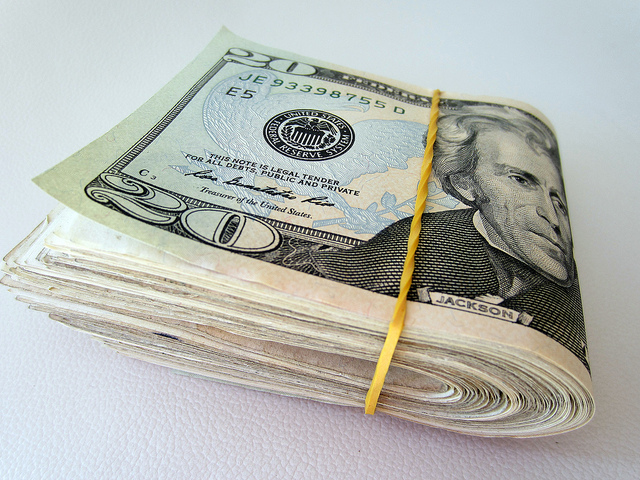
    For your budget categories that you tend to be freer in your spending, cash is king!  My wife and I personally use cash for ‘blow money’, eating out, and groceries.  We use an old system called “the envelope system.”  We withdraw money from the ATM each pay period in the amount we budgeted for and put that cash into physical envelopes (you can get a modern system here).  When we go out to eat, we only use cash from that envelope; when it’s gone we eat in.  Same for groceries; when the envelope runs out it’s time for leftovers and goulash.

    It has really helped me reign in my spending habits, especial when going out to eat!  Back when I was on the “points system” I could easily spend over $400 a month on eating out!  Yet my retirement was hardly getting funded; how terrible is that?

    There are other benefits to using cash over other forms of payment beyond just keeping your spending in check.  When you pull out cash, it has immediacy; it tells someone you do have the money to spend.  The seller of a service/item knows that you are there and want to spend, and that you don’t need a credit check.  You can walk away. This gives you power. Power over price.

    Almost all prices are negotiable, to some extent (maybe not so much at Taco Bell), and that fact is more evident when you pull out a few Benjamins.  The vendor may give you a discount just for using cash (they pay 2-4% in fees to credit card companies).  You can also negotiate the actual price, esp. on large ticket items or dealing with individual sellers (like with Craigslist).  I know several people who have had success bargaining with cash, including a friend who paid half price for a hotel room just the other day!  This is a win-win deal for you; you are not going into debt to buy something, and spending less on the item/service!

    I’ll cover the myth that you need a credit card in a later post (I’ve traveled the US and visited Spain, France, Andorra, and Israel with my debit card).  So, what’s holding you back?  Why not try it for a month and see what happens?  You can always go back to using your credit card if I’m wrong!

    Let me know what experiences  you have had using cash in your life below:
  • The Rain Is Coming, Do You Have A Rainy Day Fund?

    The Rain Is Coming, Do You Have A Rainy Day Fund?

    I just read an article from The Wall Street Journal describing how few people actually have a ‘rainy day’, or emergency fund, and that most of those people who do have some savings, don’t have enough.

    Statistically speaking you are one of the 209 million people who don’t have sufficient savings.  Of those, 82 million have NO savings.  WOW!

    I would wager, if I were a betting man, that very few of those surveyed even know how much is sufficient.

    3-6 months of expenses is what the experts (myself included) recommend.  For most people that’s $15-25,000, sitting untouched in a savings account.

    “That’s a lot of money sitting around not making any interest to speak of, why not invest that money and just use a credit card or home equity line of credit (HELOC) when an emergency comes?” you might ask.

    That might work for you to cover an auto repair, or your auto insurance deductible, but what happens when the boss comes to you on Friday, letting you know that you are part of the rumored layoffs?  That ‘secure’ job you were going to use to pay back the credit cards is gone, and racking up debt while unemployed is never a good idea!

    Lets also consider the intangible benefits of having a fully funded emergency fund.  There is a sense of peace in your home when you know that you will be OK, no matter what happens.  Think back to the last time you had an emergency (had to fly last-minute to a funeral, your car broke down, the furnace broke one cold and snowy weekend night); was there any panic in your mind, wondering where you would get the money to pay for it, or pay off the card, in addition to the actual thing that happened?  When you have some cash sitting around for those kind of events, it turns them from emergencies to inconveniences.  The stress level drops to near zero.  Your spouse is relaxed, not having to worry about grocery or rent money being spend, and it becomes easier to focus on getting through the actual event.  Think about that.

    I can attest from personal experience how important it is to have an emergency fund.  I’ll give you to recent examples from my own life:
    1. On my honeymoon last year, while 2000 miles from home in the Black Hills, one of the tires on my car came close to having a blow out.  Instead of having to cancel the rest of the trip, or any of the fun stuff we had planned (and stressing out my new wife), I simply put on the spare, dropped off the car with a local mechanic, bought 4 new tires (the rest were due to be replaced, too), went on our tour, and picked up the car afterward.  We hardly skipped a beat in our day, and even were able to smile when we talked about it that evening over supper.
    2. At the end of January of this year, after almost 5 years at a very stable engineering company, I was let go.  I didn’t enjoy what I did (have you ever had a life-sucking J-O-B?) and would not wanted to go back to work as a cube-dwelling engineer for another company. Having a fully funded emergency fund has allowed me to start my own Financial Coaching business!  This is something I’ve been preparing to do (school, training, reading, etc) for a long time, and now I can!  My wife is not stressed out about the money situation, even as the company is slowly growing, because she knows that we can go many months w/o any income and be OK.

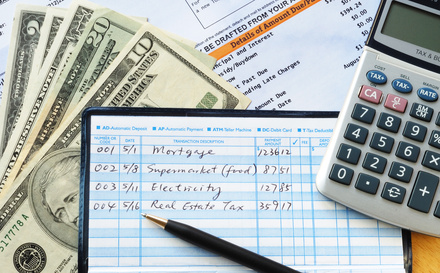
    “Ok, ok, I get it; I need to start saving more.  But I’m not sure I can.”  The key to this is using a monthly budget, paying off your debts, then living on less than you make until you’ve saved enough.  If you are still in debt, quickly save up $1,000 then attack your debt.  $1,000 is enough to cover most emergencies, but low enough that you should feel the urgency to become debt free quickly so you can build that rainy day fund.

    So, where do you stand?  Fully funded?  Almost there?  Ready to start saving?

  • Reverse Mortgages – Good retirement option or scam?

    Reverse Mortgages – Good retirement option or scam?

    We’ve all seen the commercials, the 60’s Heart Throb on TV touting how safe and great a reverse mortgage is for those in their elder years.  And for those who are older and were hurt in the “Great Recession” this may look like a great option to have a little extra money for travel, fixing up the house, or just to pay medical bills.  After all, why not use some of the equity in your home while you are still around to enjoy it?

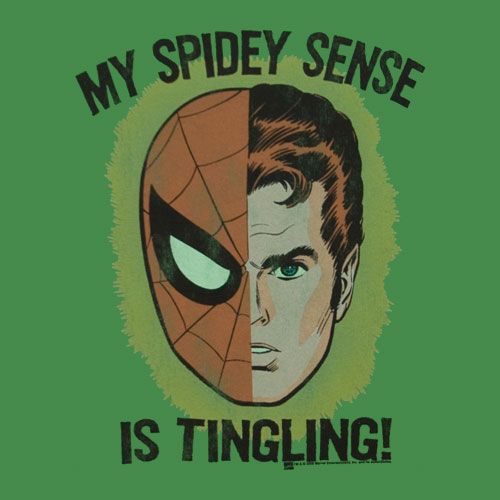
    Sound too good to be true?   Or do your Spidey senses tingle when you see those commercials, but you’re not sure why?  Then read on!  But I’m not eligible for one, you say, but your parents and/or grand parents are!  Wouldn’t it feel good to be able to steer them in the right direction?  Good answer!

    In case you have not heard of a reverse mortgage, or not fully sure what it is, it’s basically a series of cash advances secured by your home, capped by the value of the home, that you don’t have to pay back until you vacate the home (either by moving out or dying).  To qualify for one you must be at least 62 years old and have enough equity in the home to cover the amount to be borrowed.

    You might be thinking that this is a great idea; borrow money and never have to pay it back!  You could use the money to travel, boost your life style, or do some home repairs/upgrades, right?  Sounds too good to be true, and you know what they say about that?

    Did you know:

    • That if the mortgage isn’t done correctly, a surviving spouse may have to pay back the loan or face foreclosure?
    • That the closing costs can be several thousand dollars?
    • That if you become delinquent on your insurance or property tax that the lender could call the loan (demand repayment immediately)?  (if you couldn’t pay your taxes, you for sure can’t pay the loan and WILL loose it)
    • That the housing market is not always an upward trend, and that if the value of your home falls the lender could stop payments that you started to rely on?
    • That if the home value drops (while your equity is dropping faster) and you want to move, you may not be able to afford to sell your home due to being upside-down on the loan?
    • The reverse mortgage industry is full of scam artists, so it’s possible your trusting grandma may fall for one.

    Still sound like a good plan?

    “But,” you say, “I’ll stay in this house till I die, so will my spouse, I’ve got a good pension that will more than cover taxes and insurance, and I’ll just use ‘my equity’ for fun stuff and not rely on it for meeting my needs.” That may be true and you and your spouse may never have to deal with any of the big negatives; but what about your heirs?  Did you want to leave them the family home?  They may be forced to sell it to pay back your debt when you paid on it for years and years hoping to leave a legacy.

    They may not all be scams, but they are for sure not a good option!  If you are having trouble making ends meet, please talk with me, or any other financial coach, before making what could be a very costly mistake.

  • Financial Peace – What it means to me

    Financial Peace; what is it?  What does it mean to me?  In my life, it means that I have control over my finances; that I’m not living paycheck-to-paycheck, that I have a plan to govern my major purchases and my retirement.  That I have a savings account with enough set aside to get me through almost any emergency, including a 6 month period of unemployment.  It means being Debt Free (well, except my home) and not having to worry about payments.

    Up until 2007, I didn’t even have any idea that I could achieve this state; in fact, I never thought about my finances enough to know that I didn’t have Financial Peace.  You may have heard of Financial Peace University, a personal finance class usually taught in churches, well it was in taking FPU (Financial Peace University) that I discovered that there was such a thing, and that I didn’t have it.

    Before then, I was normal.  I had several credit cards, a car loan, student debt, a mortgage, and only a couple thousand in a retirement account with out any understand of what I had.  I earned a good living and enjoyed my income by eating out (a lot), buying new “toys,” and going on vacations.  I thought I was doing well.

    Like a lot of people, my parents didn’t know enough about personal finance to teach me much beyond how to balance a check book and that if I wanted any money, I had to work for it.  They were not taught about the importance of an emergency fund, saving for retirement, or the dangers of debt.  So I followed in their foot steps, worked hard, bought stuff with plastic, and looked at my W-2 every year and wondered where it all went.

    It was due to the information taught in FPU that I was able to learn how to budget, save, invest wisely, and have a plan for my finances.  Since becoming debt free in late 2008, I’ve developed a passion for helping people become free, to have Financial Peace.  I’ve spent a lot of my own money and free time learning all I can about personal finance, including completing the CFP curriculum, taking a week long financial counselor training course from Dave Ramsey’s team, reading about current issues, and practicing what I know.

    So, what does all this mean for you?  Chances are that you are very similar to the “normal” I described above, but you are looking for a change, that you are looking to take control of your life!  That’s where I can help you; I lead FPU at my local church in Groton, CT, where you can attend and start your journey, or you can contact me for a personal coaching session, where I will provide you the information, guidance, and accountability you need to achieve Financial Peace.

    With this blog I intend to bring you useful content, inspiration, and even some great deals to help you along your journey!  Please let me know what you want to read about!